Proper weight training technique means lifting with controlled movement, correct posture, and a smart progression plan so you build strength without injury. According to Mayo Clinic Fitness guidelines, beginners and experienced lifters alike benefit from mastering form before adding load. This guide covers the key do’s and don’ts of lifting weights, who benefits most, and how martial artists in Sylmar can apply these principles to sharpen their performance on and off the mat.
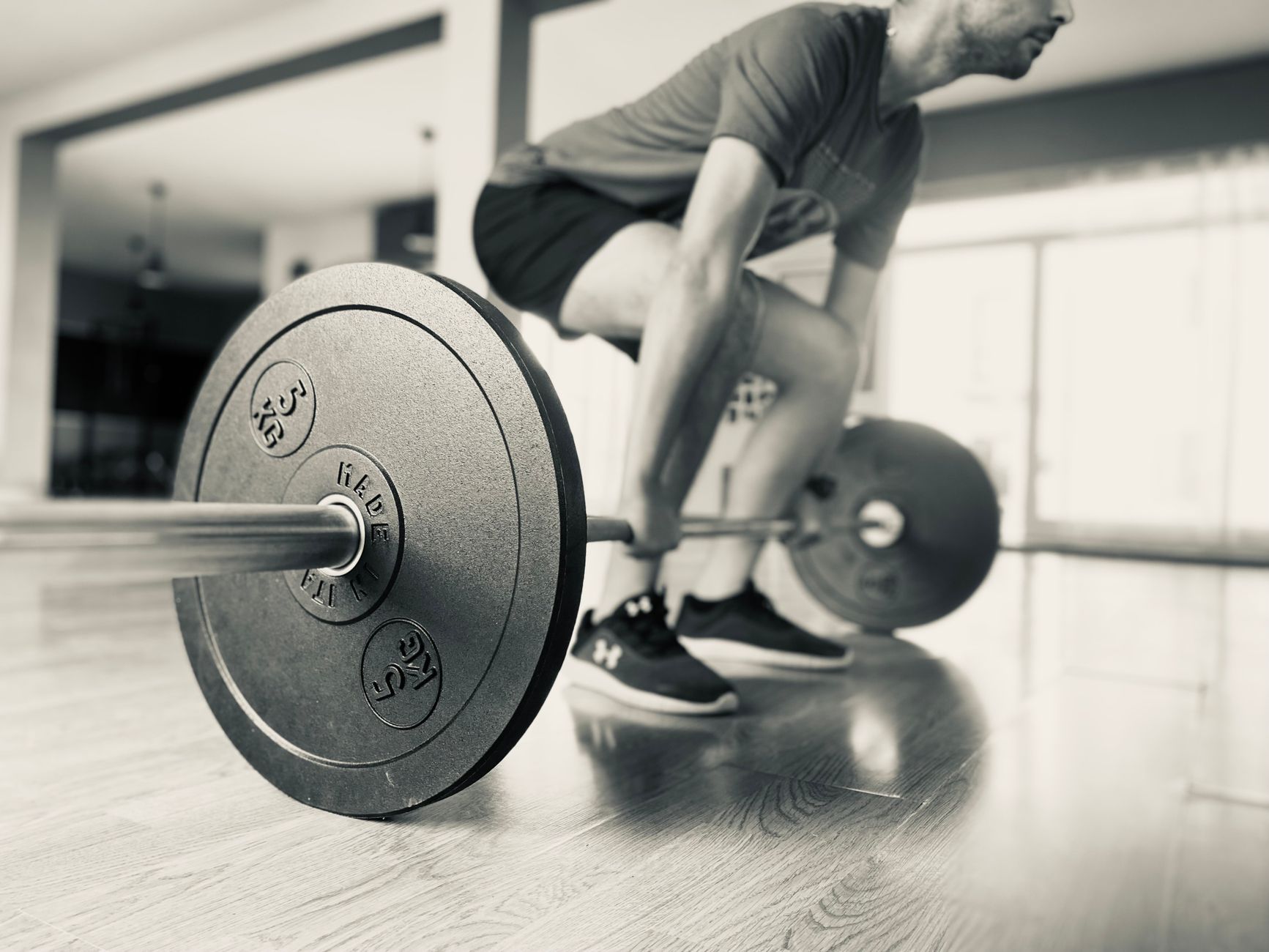
At Dragon Mu Sool in Sylmar, we see students every week who want to get stronger, move better, and protect themselves. Strength training is a natural complement to Kuk Sool, the Korean martial art we teach, because raw power means nothing without control. Whether you are searching for Fitness martial arts services sylmar reviews or you are a long-time resident ready to level up your conditioning, these evidence-backed tips will help you train smarter and stay safe.
1. Who Can Benefit from Weight Training?
Strength training benefits a wide range of people, and this is one area where the research is crystal clear. Resistance training helps children build bone density, helps adults maintain lean muscle mass, and helps older adults prevent falls. CDC physical activity data consistently shows that adults who include muscle-strengthening activities at least two days per week enjoy better metabolic health, lower injury rates, and improved mental well-being.
For women specifically, strength training carries enormous value that often goes overlooked. Strength training benefits for females include increased bone density (which fights osteoporosis), better hormonal balance, and a higher resting metabolic rate. Weight lifting for beginner females can feel intimidating at first, but starting with bodyweight and light resistance quickly builds confidence. Martial arts students in Sylmar at Dragon Mu Sool discover this firsthand: kids as young as four and adults well into their sixties train side by side and grow stronger together.
One important note: certain populations should check with a physician before starting a weight training program. That includes people recovering from injury, those with cardiovascular conditions, and pregnant individuals. Once cleared, almost everyone benefits from some form of resistance training.
- Children and teens building athletic foundations
- Adult women seeking strength training benefits and body composition changes
- Martial artists who want more explosive power and injury resilience
- Older adults focused on balance, bone health, and functional strength
- Beginners of any age who have never lifted weights before
If you are curious about structured programs that build both physical and mental strength, explore our martial arts programs designed for all ages and experience levels in Sylmar.
2. Weight Training Do’s: Essential Rules for Lifting Weights Properly
Learning how to lift weights properly to build muscle is less about memorizing complicated techniques and more about respecting a handful of non-negotiable principles. Follow these and you will make consistent progress while keeping your joints, spine, and connective tissue healthy.
- Do warm up first. Before you lift weights, warm up with five to ten minutes of brisk walking, light jogging, or dynamic movement. Cold muscles tear more easily. A warm-up also primes your nervous system so your technique is sharper from rep one.
- Do work all your major muscle groups. Seek balance. Work all your major muscles at least two to three times a week. Neglecting opposing muscle groups leads to postural imbalances that are especially problematic in martial arts, where you need symmetrical strength to execute throws, strikes, and joint locks safely.
- Do start with lighter loads. Beginners often rush toward heavy weights. Start light, nail the pattern, then add load gradually. The NSCA recommends a progressive overload model where you increase weight by no more than five to ten percent per week.
- Do control your tempo. Lifting weights properly means slowing down, especially on the lowering (eccentric) phase of each rep. A two-second lift and a three-to-four-second lower builds more muscle and protects tendons compared to bouncing the weight.
- Do breathe consistently. Exhale on the exertion (the hard part), inhale on the return. Holding your breath under load spikes blood pressure and can cause lightheadedness.
- Do rest between sessions. Muscles rebuild during recovery, not during the workout itself. Plan at least 48 hours of rest between sessions targeting the same muscle groups.
- Do check your technique regularly. Record yourself, work with a coach, or train in front of a mirror. Small form errors compound over hundreds of reps and become injuries. This is exactly why we pair strength concepts with hands-on coaching at Dragon Mu Sool.
For a structured approach to combining these principles with martial arts conditioning, check out our weightlifting program for beginners in martial arts training, which walks you through the whole process step by step.
3. Weight Training Don’ts: Common Mistakes That Lead to Injury
Just as important as what you should do is what you should avoid. These weight training don’ts are the most common mistakes seen in gyms, dojos, and home workout spaces across Sylmar and beyond.
- Don’t skip the warmup. Jumping straight into heavy lifts is the fastest route to a pulled muscle or a strained joint. This rule is non-negotiable, whether you are doing weight training at home or in a professional facility.
- Don’t use momentum to lift the weight. Swinging dumbbells, jerking a barbell off the floor, or bouncing a bench press off your chest removes tension from the target muscle and loads your joints in ways they are not designed for.
- Don’t ignore pain. Muscle fatigue is normal. Sharp, shooting, or joint-specific pain is not. Stop the set, reassess your form, and if pain persists, consult a sports medicine professional.
- Don’t neglect recovery nutrition. Protein consumed within two hours of training accelerates muscle repair. Many heavy weight lifting side effects, such as prolonged soreness and slow progress, come from under-eating protein rather than training errors.
- Don’t train the same muscles two days in a row. Overtraining a muscle group before it fully recovers is a primary driver of overuse injuries like tendinitis and stress fractures.
- Don’t hold your breath during heavy lifts. The Valsalva maneuver is sometimes used by advanced powerlifters under very specific conditions, but for most people, breath-holding during resistance exercise is a risk without adequate coaching.
- Don’t let ego drive your weight selection. Heavy weight lifting side effects from ego-lifting include torn muscles, spinal compression injuries, and months of forced rest. Pick a weight you can control through a full range of motion with proper form for every single rep.

4. How to Check Your Technique for Safer, More Effective Lifts
Checking your technique is not a one-time event. It is an ongoing habit that separates people who train for decades from people who cycle in and out of injuries. Here is a practical framework for checking technique that applies whether you are lifting weights at home or working with a coach.
- Video review: Film yourself from the side and from behind. Most form breakdowns, like a collapsing knee or a rounding lower back, are invisible to the lifter but immediately obvious on video.
- Pause reps: Add a one-to-two-second pause at the most challenging point of each rep. If your form collapses at that moment, the weight is too heavy.
- Mirror feedback: Use a mirror for upper-body exercises where watching posture in real time is practical. For lower-body work like squats and deadlifts, rely on video instead.
- Coaching feedback: Nothing replaces an experienced eye. At Dragon Mu Sool, Master Nathan and the instructors apply the same hands-on coaching philosophy to conditioning work as they do to Kuk Sool technique, because clean movement patterns transfer directly to martial arts performance.
ACE Fitness notes that beginner lifters benefit most from two to three technique-focused sessions per week with a qualified trainer before progressing to heavier, self-directed training. This mirrors how we introduce new students to conditioning at our Sylmar school: form first, intensity second.
For insights on how personal coaching accelerates results, read our post on personal training in Sylmar and why investing in professional guidance pays off over time.
5. Weight Training at Home vs. in a Structured Program
Weight training at home has exploded in popularity, and for good reason. A set of adjustable dumbbells and a yoga mat can get you surprisingly far. However, there are real trade-offs between a home setup and a structured, coached program.
Weight training at home works well for maintaining a baseline of strength, fitting workouts around a busy schedule, and supplementing a primary training program. The disadvantages of weight training for females (and males) in a purely home-based environment tend to center on accountability, technique drift, and the absence of progressive programming. Without a plan, most people plateau within a few months.
A structured program, like the conditioning curriculum woven into our class schedule at Dragon Mu Sool, provides progressive overload, community motivation, and regular technique checks. It also integrates strength work with the specific demands of Kuk Sool: grip strength for joint locks, hip power for throws, and core stability for everything else.
If you are curious how the martial arts community near Sylmar is tagged across platforms, you can find us highlighted under #sylmar #martialarts #art #awesome #california #focus #simiv, where students share their training experiences and progress.
The bottom line: weight training at home is a great supplement. A coached program is where real, lasting transformation happens.
6. Strength Training Principles Backed by Science
Good weight training is not guesswork. A solid weight training guide follows principles that exercise scientists have validated through decades of research. Here are the ones that matter most for martial artists and general fitness seekers in Sylmar.
- Progressive overload: Gradually increasing the demand placed on the body over time. This is the single most important principle for building muscle and strength. ACSM guidelines recommend increasing training volume or intensity by roughly five to ten percent per week for novice lifters.
- Specificity: Train movements that are relevant to your goals. For Kuk Sool practitioners, this means pulling movements for clinch strength, hip-hinge patterns for throw power, and rotational core work for striking.
- Individuality: No two people respond identically to the same program. A weight training guide presented as a one-size-fits-all plan will not produce optimal results for everyone. This is why personalized instruction matters.
- Reversibility: Gains disappear faster than they are built if training stops. Consistency over months and years beats occasional intense training blocks.
- Variety: Rotating exercises, rep ranges, and training modalities prevents adaptation plateaus and keeps the nervous system challenged.
For women especially, strength training principles unlock benefits that cardio alone cannot provide. Harvard Health research on exercise and fitness confirms that resistance training is one of the most effective tools for reducing visceral fat, improving insulin sensitivity, and protecting bone mineral density as women age. Strength training benefits for females extend well beyond aesthetics.
Explore how personal coaching accelerates these outcomes in our post on the benefits of personal training for health and fitness, written specifically for people ready to stop guessing and start progressing.
7. How Martial Arts Training in Sylmar Integrates Strength and Technique
At Dragon Mu Sool, we teach Kuk Sool, a comprehensive Korean martial art that draws from strikes, joint locks, throws, and weapons forms. Strength training is not separate from this curriculum. It runs through it. Every technique in Kuk Sool requires some combination of explosive power, controlled tension, and postural stability, all qualities that proper weight training develops directly.
Master Nathan built our program around the idea that physical development and personal development are inseparable. Discipline, respect, and inner strength are not just values we talk about. They are habits we build in every class, every drill, and yes, every conditioning session. When a student learns not to let ego drive their weight selection, they are practicing the same humility that makes a great martial artist.
Students who train at our 1215 station plaza hewlett ny location consistently describe the atmosphere as welcoming and family-oriented. That culture extends to how we approach strength training: no judgment, no comparison, just steady, honest work toward each person’s personal best.
Martial Arts in Sylmar, CA is about more than kicking and punching. It is about building a body and a mindset that can handle whatever life throws at you. Strength training is one of the most reliable tools for doing exactly that.
Sylmar is a community that values hard work and family, and those values show up in our gym every single day. Whether you are a first-time lifter or a seasoned athlete looking for a new challenge, our doors are open to you.
8. Building a Balanced Weight Training Routine for Martial Artists
A balanced routine for someone training Kuk Sool in Sylmar looks different from a standard bodybuilding split. Here is a practical framework based on the principles above.
- Two to three strength sessions per week: Spread across non-consecutive days. Each session targets either a full-body pattern or a push/pull/legs split.
- Compound movements first: Squats, deadlifts, rows, presses, and carries address multiple muscle groups at once and mirror the multi-joint demands of martial arts techniques.
- Accessory work second: Isolation exercises for grip, rotator cuff, hip abductors, and core fill the gaps that compound movements miss.
- Conditioning last: Keep cardiovascular conditioning at the end of strength sessions or on separate days to avoid compromising lifting quality.
- Deload every four to six weeks: Reduce volume and intensity for one week to allow full recovery and prevent overuse injuries.
For women new to lifting, a simpler approach works beautifully: two full-body sessions per week using bodyweight progressions, then light dumbbells, then barbells as comfort grows. How to lift weights properly to build muscle as a beginner female is really about starting small, staying consistent, and trusting the process. The results come.
Closing: Start Your Strength and Martial Arts Journey in Sylmar Today
Proper weight training technique is a skill, not a talent. With the right guidance, anyone in Sylmar can build the strength, discipline, and body awareness to train safely and effectively for years. At Dragon Mu Sool, we combine the time-tested principles of Kuk Sool with modern conditioning methods to help you become stronger, more confident, and more resilient, both inside and outside the dojo. Check out our guide to 12 Best Bodyweight Exercises for Martial Arts in Sylmar to see how bodyweight and resistance training pair perfectly with our curriculum. Ready to experience it for yourself? contact us today for a free trial class at our martial arts studio in Sylmar and take the first step toward a stronger, more disciplined version of yourself.
Frequently Asked Questions
What should you not do when lifting weights?
Avoid skipping your warmup, using momentum instead of controlled muscle effort, ignoring pain signals, and selecting weights your form cannot handle. Also avoid training the same muscle groups on consecutive days without adequate recovery. These mistakes are the most common causes of both acute injuries and chronic overuse problems in recreational and competitive lifters alike.
How many days a week should beginners lift weights?
Two to three sessions per week on non-consecutive days is the ideal starting point for beginners. This frequency allows muscles to recover fully between sessions, which is when actual strength gains occur. As you adapt over eight to twelve weeks, you can gradually add a fourth session if your recovery supports it.
Can weight training improve martial arts performance?
Absolutely. Resistance training builds the explosive hip power needed for throws, the grip strength required for joint locks, and the core stability that underpins every strike and defensive movement. At Dragon Mu Sool in Sylmar, strength conditioning is woven into the Kuk Sool curriculum so that physical and technical development reinforce each other directly.
Is weight training safe for kids in Sylmar?
Yes, when properly supervised and age-appropriate. The AAP HealthyChildren guidelines confirm that resistance training is safe for children when the focus is on technique and bodyweight movements rather than maximal loads. Kids who train at Dragon Mu Sool develop strength through martial arts drills, which naturally build muscle control, coordination, and joint stability without adult-weight room risks.
What are the disadvantages of weight training for females?
The main disadvantages arise from poor programming, not from lifting itself. Without proper progression and recovery, women can experience overuse injuries, hormonal disruption from overtraining, or strength imbalances. Ego-driven heavy lifting without technique coaching is also a risk. A well-structured program guided by a qualified coach eliminates most of these pitfalls and unlocks all the well-documented strength training benefits for females.