When it comes to self-defense, karate, taekwondo, and jiu-jitsu are three of the most recognized martial arts styles available to students in Simi Valley. Karate focuses on striking with hands and feet, taekwondo emphasizes powerful kicking techniques, and jiu-jitsu specializes in grappling and ground control. Each style has genuine self-defense value, but the right choice depends on your goals, age, and how you learn best. If you are looking for Beginner fitness martial arts services simi valley, this guide will walk you through each style so you can make a confident decision.
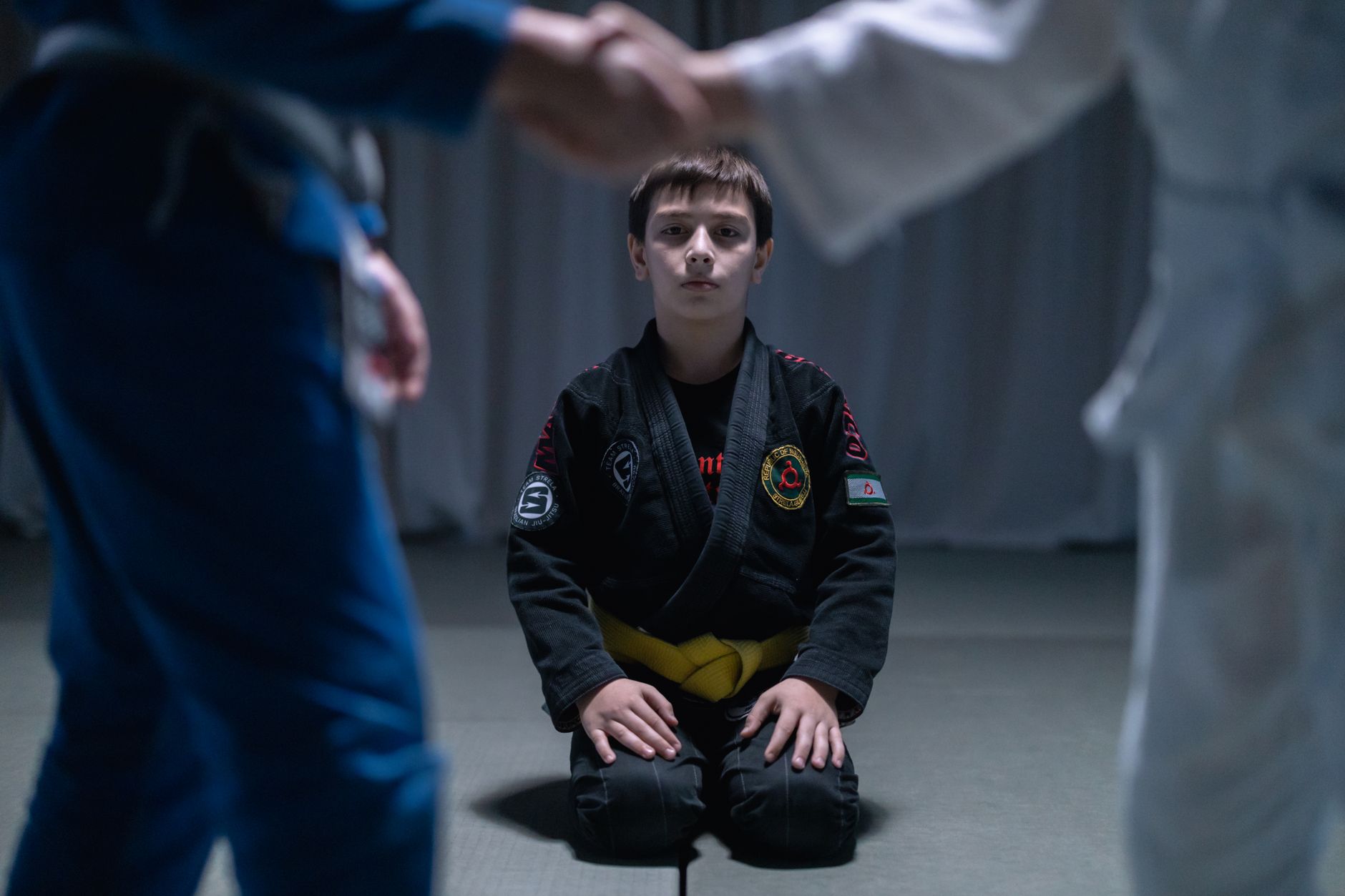
Karate for Self-Defense: Strikes, Blocks, and Situational Awareness
Karate is one of the oldest and most widely practiced martial arts in the world. Its self-defense approach centers on striking techniques using the hands, elbows, knees, and feet, combined with strong blocking and footwork. According to USA Karate, the discipline is built on a foundation of kata (structured forms) and kumite (sparring), which together build both muscle memory and real situational awareness.
From a practical standpoint, karate self-defense training teaches students to create distance from an attacker, deliver decisive strikes, and exit a dangerous situation quickly. The style rewards students who practice consistently, because the techniques become instinctive over time. Traditional karate also places a heavy emphasis on mental focus, discipline, and respect, which are values that serve students in every area of life, not only on the mat.
For people in Simi Valley exploring fitness martial arts simi valley reviews, karate is often a strong starting point because classes tend to be structured and beginner-friendly. You can also read more about local options in our post on karate classes in Simi Valley if you want a deeper look at what to expect.
Taekwondo for Self-Defense: Powerful Kicks and Athletic Development
Taekwondo is a Korean martial art known for its fast, high-powered kicking combinations. The style prioritizes leg-based striking techniques, agility, and speed, making it one of the most athletic martial arts disciplines available. Taekwondo self-defense training builds explosive power in the lower body and teaches students to control space by keeping attackers at a distance with long-range kicks.
While taekwondo is celebrated for its spectacular kicking forms, it also includes hand strikes, blocks, and close-range techniques that round out a student’s ability to handle real-world confrontations. For children especially, taekwondo offers a confidence-building path that combines physical fitness with character development. The American Academy of Pediatrics recognizes martial arts like taekwondo as a safe and structured way for kids to develop coordination, self-regulation, and social skills.
If you are curious how taekwondo compares specifically for younger students, our detailed post on taekwondo for kids in Simi Valley covers the benefits in full. Taekwondo for self-defense works best when students train regularly and apply their kicking techniques with proper form and timing.

Jiu-Jitsu for Self-Defense: Grappling, Ground Control, and Real-World Application
Jiu-jitsu, particularly the Brazilian variety, has gained enormous popularity as a self-defense system because it addresses one of the most common realities in physical confrontations: many altercations end up on the ground. Jiu-jitsu self-defense training teaches students to control an opponent through joint locks, chokes, and positional dominance, allowing a smaller or lighter person to neutralize a larger attacker.
The International Brazilian Jiu-Jitsu Federation documents thousands of competitors worldwide who train the art for both sport and personal protection. What makes jiu-jitsu particularly practical is that it reduces the need for striking power, which is a significant advantage for children, women, and older adults who may not rely on size or strength. Jiu-jitsu techniques are tested under live sparring conditions, which means students develop a realistic sense of how the techniques perform under pressure.
That said, jiu-jitsu has a learning curve. Ground-based grappling is an unfamiliar movement pattern for most beginners, and it can take several months before students feel genuinely capable of applying techniques in a self-defense situation. For many students in Simi Valley comparing martial arts for self-defense, jiu-jitsu is best combined with at least some striking training for a well-rounded skill set.
How Korean Martial Arts Compare: Kuk Sool and a Complete Self-Defense System
While karate, taekwondo, and jiu-jitsu each address specific aspects of self-defense, Korean martial arts like Kuk Sool Won offer a more comprehensive framework. Kuk Sool is a traditional Korean martial art that draws from striking, joint locks, throwing techniques, and weapons training all within a single system. Rather than specializing in one range of combat, Kuk Sool students learn to respond effectively whether a situation is standing, close-range, or on the ground.
At Dragon Mu Sool in Simi Valley, Master Nathan leads a curriculum built on Kuk Sool principles that go beyond physical technique. The school’s approach treats self-defense as just one layer of a student’s development. Discipline, respect, honor, and inner strength are woven into every class, creating a training environment where students grow as people, not only as martial artists. Families throughout Simi Valley consistently describe the atmosphere as welcoming, family-oriented, and genuinely invested in each student’s personal growth.
Research from Harvard Health confirms that regular martial arts practice improves cardiovascular fitness, balance, and stress resilience, benefits that apply regardless of which specific style you choose. However, training in a system like Kuk Sool that integrates multiple self-defense ranges may offer more complete preparation than single-discipline arts alone. You can also explore how these styles stack up in our companion post on martial arts self-defense training in Simi Valley for additional perspective.
For students interested in disciplines related to balance and internal awareness, Dragon Mu Sool also offers resources connected to Tai Chi Simi Valley practices that complement the physical self-defense curriculum.
Choosing the Right Martial Art for Self-Defense: Key Factors to Consider
Deciding between karate, taekwondo, jiu-jitsu, or a Korean martial arts system like Kuk Sool comes down to a few important factors. Understanding these factors will help you choose a martial art for self-defense that fits your lifestyle, body type, and personal goals.
- Your primary goal: If you want to stay on your feet and use strikes to create distance, karate or taekwondo self-defense training aligns well with that goal. If you anticipate situations where you might need to control someone physically without striking, jiu-jitsu or Kuk Sool gives you more options.
- Age and physical condition: Taekwondo for self-defense is highly effective for younger, more athletic students. Jiu-jitsu suits a wide age range but requires flexibility and hip mobility. Kuk Sool and karate both scale well across ages and fitness levels.
- Training environment: The school and instructor matter as much as the style. A knowledgeable, patient instructor teaching karate will produce better self-defense practitioners than a poor instructor teaching any other style.
- Commitment level: All three styles require consistent practice to become effective. According to ACE Fitness, structured group training environments significantly improve long-term adherence compared to solo training, which is one reason joining a dedicated martial arts studio is worth considering.
- Family participation: If you are enrolling children alongside adults, look for a school that offers martial arts programs designed for multiple age groups and experience levels.
For Simi Valley residents comparing options, it helps to look at reviews and visit a class in person before committing. Checking Fitness martial arts services simi valley reviews can give you a realistic sense of what local students are experiencing at different schools.
What Beginners in Simi Valley Should Know Before Starting Martial Arts
Starting martial arts as a beginner can feel intimidating, but the reality is that reputable schools in Simi Valley are designed to welcome students with zero prior experience. Here are a few things that make the transition easier for new students choosing martial arts for self-defense.
First, consistency matters more than natural talent. Most beginner self-defense techniques become reliable only after repeated practice under realistic conditions. A good school will have a clear class schedule with dedicated beginner sessions so you are not thrown into advanced sparring before you are ready.
Second, physical fitness improves as a result of training, not a requirement before starting. Students at Dragon Mu Sool in Simi Valley report that they became noticeably stronger, more flexible, and more coordinated simply by attending classes regularly. The CDC’s physical activity guidelines recommend at least 150 minutes of moderate-intensity activity per week for adults, and two martial arts sessions per week will easily meet that threshold while also building practical skills.
Third, the culture of the school shapes everything. A studio that values respect and personal development alongside technique will give you a more sustainable training experience than one focused purely on competition. This is a hallmark of Dragon Mu Sool’s approach in Simi Valley, where students of all ages are supported as individuals, not just trained as competitors.
Karate vs. Taekwondo vs. Jiu-Jitsu: A Direct Comparison for Simi Valley Students
To make this easier to scan, here is a practical side-by-side breakdown of each discipline’s self-defense strengths and limitations for students in Simi Valley.
- Karate for self-defense: Strong striking system, excellent for creating distance and landing decisive blows. Builds discipline and mental focus. Less emphasis on ground defense.
- Taekwondo for self-defense: Explosive kicking power and athleticism. Highly effective for keeping attackers at range. Works best when combined with close-range hand techniques. Great for kids.
- Jiu-jitsu for self-defense: Dominant on the ground. Teaches practical control of larger opponents. Requires time to develop proficiency and works best alongside stand-up training.
- Korean martial arts (Kuk Sool) for self-defense: Combines striking, joint locks, throws, and ground defense into one system. Integrates character development as a core value. Suitable for all ages and fitness levels. Taught at Dragon Mu Sool in Simi Valley.
There is no single answer to the karate vs. taekwondo vs. jiu-jitsu debate because the best self-defense martial art is the one you will train consistently in a school that supports your growth. For Simi Valley students who want a complete, values-based curriculum, Kuk Sool at Dragon Mu Sool offers one of the most well-rounded options available locally. You can read a full breakdown in our post on martial arts for self-defense in Simi Valley for even more detail on each style.
Start Your Self-Defense Journey at Dragon Mu Sool in Simi Valley
Whether you are drawn to the striking focus of karate, the athletic kicking system of taekwondo, the ground control of jiu-jitsu, or the comprehensive approach of Korean martial arts like Kuk Sool, the most important step is simply getting started. Dragon Mu Sool in Simi Valley is led by Master Nathan and offers a warm, family-focused environment where students of every background are welcomed and genuinely supported. If you want to experience the training firsthand, visit Panthera Martial Arts and contact us today for a free trial class at Dragon Mu Sool in Simi Valley and take the first step toward real self-defense skills, lasting confidence, and personal growth.
Frequently Asked Questions
Which is better for self-defense: karate, taekwondo, or jiu-jitsu?
Each style has genuine self-defense value. Karate and taekwondo excel in stand-up striking and distance management, while jiu-jitsu dominates in close-range grappling and ground control. For a complete self-defense system, many practitioners combine elements of all three, or choose a comprehensive style like Korean martial arts (Kuk Sool) that addresses all these ranges in a single curriculum.
Is taekwondo or jiu-jitsu better for kids?
Both are excellent for children, but they develop different skills. Taekwondo builds athleticism, coordination, and confidence through structured kicking and forms. Jiu-jitsu teaches practical body mechanics and teaches kids how to stay calm under physical pressure. The better choice depends on your child’s temperament and what they enjoy most. Many families in Simi Valley enroll children in Kuk Sool, which blends both worlds.
How long does it take to learn self-defense in martial arts?
Most students develop a solid foundation of practical self-defense skills within six to twelve months of consistent training. Basic techniques become reliable sooner, usually within the first three months. Progress depends heavily on how often you train, the quality of instruction, and whether the school uses realistic sparring or drilling to test techniques under pressure.
Is karate effective in a real fight?
Yes, when trained seriously and consistently. Traditional karate self-defense training builds powerful strikes, fast reflexes, and strong situational awareness. Its effectiveness in a real confrontation depends on the depth of the curriculum and whether students practice techniques against a resisting partner, not just in solo forms. Schools that include sparring tend to produce more confident and capable self-defense practitioners.
Where can I learn martial arts for self-defense in Simi Valley?
Dragon Mu Sool in Simi Valley offers Kuk Sool, a traditional Korean martial art that covers striking, joint locks, throws, and ground defense in one complete system. Led by Master Nathan, the school serves both children and adults in a welcoming, family-oriented environment. You can visit their website or sign up for a free trial class to see the curriculum firsthand.