
Korean martial arts teach kids discipline and respect in ways that stick for life. When children train in a structured martial arts program, they absorb lessons about self-control, perseverance, and treating others with honor through every class, not just through lectures. This post covers how those lessons work in practice, what parents can expect, and why a school like Dragon Mu Sool is built around these values.
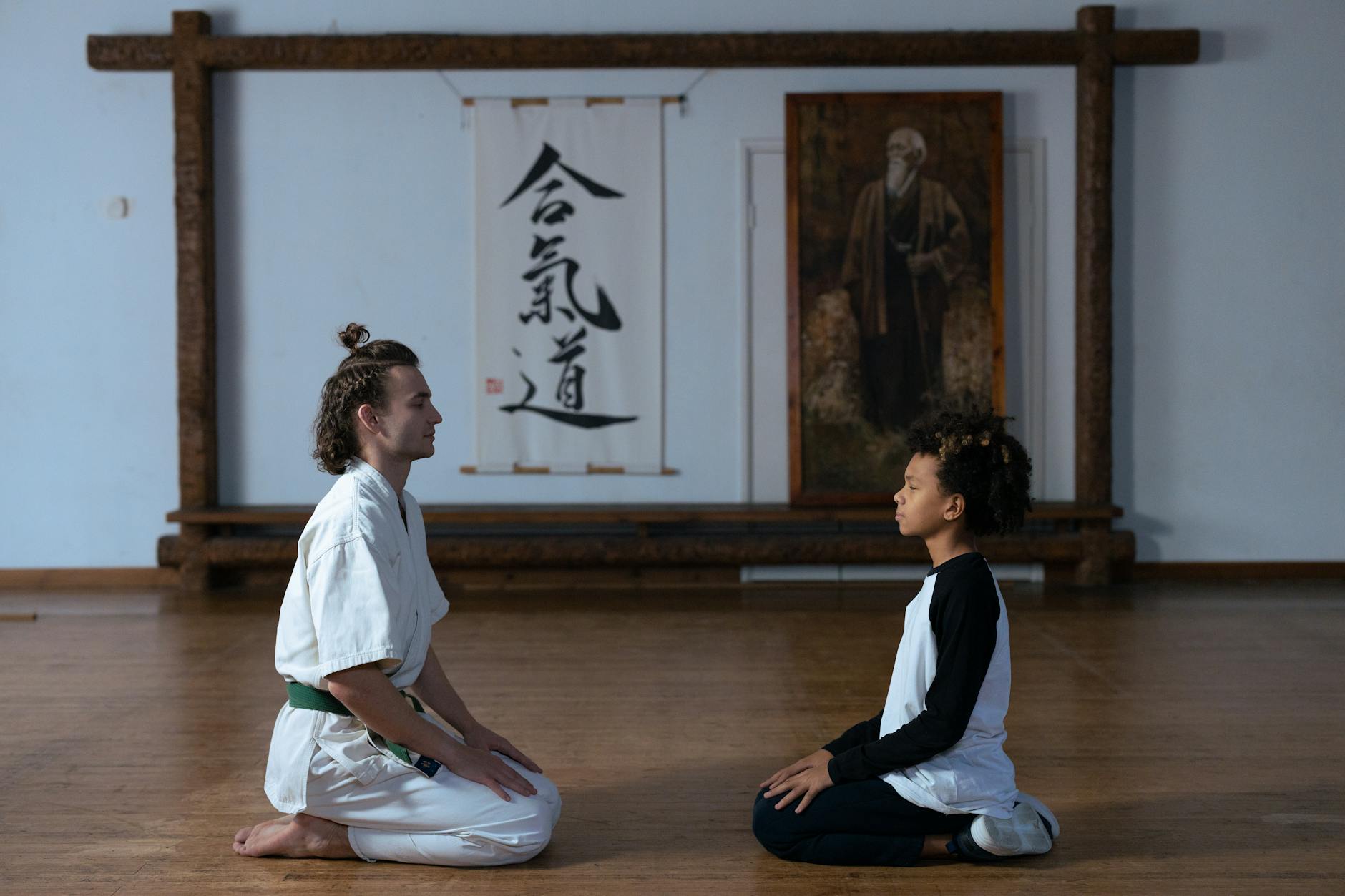
Why Korean Martial Arts Build Discipline in Children
Discipline is not something you can teach a child by talking at them. It has to be practiced, repeated, and rewarded over time. Korean martial arts are structured around exactly that idea. Every class follows a routine: students bow when they enter, listen when the instructor speaks, and work through techniques in a specific order. That consistent structure is what builds real discipline in kids.
At Dragon Mu Sool, the curriculum is rooted in Kuk Sool, a traditional Korean martial art that emphasizes mental focus alongside physical skill. Children are not just learning how to kick or block. They are learning how to pay attention, how to follow through on something difficult, and how to try again when they fail. Those are the habits that show up later in school, in friendships, and eventually at work.
Research from AAP HealthyChildren supports what martial arts parents already see: structured physical activity that includes goal-setting and rule-following helps children develop self-regulation skills. Martial arts training is one of the clearest real-world examples of that principle. The belt system gives kids a visible ladder to climb, and climbing it requires consistent self-discipline, not talent alone.
For children who struggle to sit still or follow directions in other settings, a kuk sool classes for children environment can be genuinely transformative. The physical outlet combined with the mental framework of discipline gives restless kids a constructive channel for their energy.
Teaching Kids Respect Through Martial Arts Training
Respect is baked into Korean martial arts from the very first bow. Students bow to their instructor, to their training partners, and to the training space itself. These small rituals might seem ceremonial, but they serve a real purpose: they remind children constantly that other people deserve acknowledgment and consideration.
At Dragon Mu Sool, respect is not just a rule posted on the wall. It is part of how every class runs. Master Nathan and the instructors model respect in how they speak to students, and they hold students to the same standard with their peers. Kids quickly learn that talking back, dismissing a classmate, or ignoring an instructor’s correction is not acceptable behavior on the mat.
What parents notice is that this carries over. Children who train regularly in martial arts for kids start using please and thank you more naturally. They make eye contact. They listen before responding. These are not coincidences. They are the direct result of a training environment that treats respect as a skill to be practiced, not a rule to be enforced through punishment.
The respect kids learn in Korean martial arts also extends inward. Students are taught to respect their own effort, their own body, and their own progress. That kind of self-respect is a quiet but powerful foundation for confidence and mental resilience as they grow.
Perseverance: The Lesson Behind Every Belt Test
Every child who has ever worked toward a belt promotion knows what it feels like to want to quit. The techniques get harder. The expectations get higher. The gap between where you are and where you want to be can feel enormous. That experience, and pushing through it anyway, is where perseverance is built.
Martial arts for children are uniquely suited to teaching perseverance because the progress is visible and personal. There is no team score to hide behind. When a child earns a new belt, they did that themselves. When they fail a technique and have to try again, they own that too. Over time, students learn that effort over time produces results, and that lesson does not leave them when they walk out of the studio.
According to Harvard Health, regular physical activity that involves progressive challenge is one of the most effective ways to build mental resilience in young people. Belt-based martial arts systems are a textbook example of progressive challenge: every level demands more, and reaching it requires sustained commitment.
At Dragon Mu Sool, instructors pay close attention to where each student is in their development. They push students at the right pace, not so fast that kids get frustrated and not so slow that they coast. That individual attention is part of what makes the perseverance lessons land instead of just being something parents hope their kids absorb.

The Right Age to Start Kids in Korean Martial Arts
One of the most common questions parents ask is when to start. The honest answer is: it depends on the child, but most kids are ready to begin structured martial arts training somewhere between ages four and seven. At that range, children can follow multi-step instructions, take turns, and begin to understand why rules exist.
Younger children, around three to four years old, can often participate in introductory programs that focus on basic movement, listening skills, and simple coordination. These early classes are less about technique and more about getting comfortable in a structured environment. By five or six, most children are ready for a real curriculum that introduces discipline, respect, and foundational martial arts skills.
Starting kids in martial arts training early gives them a longer runway to absorb the values the training is built around. A child who begins at five and trains consistently through their teens does not just learn techniques. They grow up in an environment that constantly reinforces focus, courtesy, and grit. Those become part of who they are.
That said, it is never too late to start. Children who begin at ten or twelve can still experience the full benefit of the training. The pacing and starting point simply adjust to meet them where they are. See how Dragon Mu Sool can help your child get started, regardless of their age or experience level.
Taekwondo vs. Kuk Sool: Choosing the Right Korean Martial Art for Your Child
Taekwondo is the most widely recognized Korean martial art, and it is an excellent choice for children. It emphasizes kicking techniques, athleticism, and a clear belt progression system. Many parents choose Taekwondo because of its presence in the Olympics and its widespread availability.
Kuk Sool, the art taught at Dragon Mu Sool, is a more comprehensive Korean martial art. It includes striking, joint locks, throws, and traditional weapons training, all within a curriculum that places equal weight on character development. While Taekwondo is a strong option, Kuk Sool offers children a broader range of techniques and a deeper emphasis on the traditional values that Korean martial arts are known for.
Both arts teach kids discipline, respect, and perseverance. Both use a belt system that rewards consistent effort. The key difference is in the breadth of the curriculum and the training culture of the specific school you choose. A great school teaching either art will have a bigger impact on your child than the specific art alone.
When evaluating Korean martial arts for children, look at the instructor’s approach to students, the school’s atmosphere, and whether the curriculum explicitly addresses personal development alongside physical training. Those factors matter more than the name on the sign. For a family-oriented environment where instructors are genuinely invested in each student, exploring Kuk Sool at Dragon Mu Sool is a strong place to start.
What Parents Notice After Kids Start Martial Arts Classes
Parents who enroll their children in Korean martial arts often come in hoping for confidence and focus. What they often end up noticing is something broader: a shift in how their child carries themselves at home, at school, and with other kids.
Common changes parents report include better listening at home, more patience with siblings, improved focus on homework, and a greater willingness to take on challenges without immediately giving up. These are not magic results. They are the natural outcome of spending time in an environment that consistently reinforces discipline, respect, and a growth mindset.
The CDC physical activity guidelines recommend at least 60 minutes of moderate to vigorous activity daily for children, and martial arts training easily meets that threshold while also providing structured social interaction and skill-building. That combination of physical activity and character development is hard to find in most kids’ activities.
Reviewers of Dragon Mu Sool consistently highlight the welcoming, family-oriented atmosphere and the instructors’ genuine care for each student’s growth. That kind of environment makes the lessons about discipline and respect feel real rather than mandatory, which is exactly why they stick.
How Dragon Mu Sool Supports Your Child’s Growth Beyond the Mat
Dragon Mu Sool is built around the belief that physical training is a vehicle for personal development, not the destination. Master Nathan and his team teach Kuk Sool with a clear focus on the values that make martial arts worth doing in the first place: discipline, respect, honor, and inner strength.
The school’s approach is deliberately individual. Instructors pay attention to where each student is, what they are struggling with, and how to help them push past it. Children are not treated as a class of identical learners moving through a script. They are treated as individuals with different starting points and different growth trajectories.
That investment shows up in the results. Students at Dragon Mu Sool do not just learn techniques. They learn how to set a goal and work toward it. They learn how to be part of a community that holds them to a standard. They learn how to face something difficult and not walk away. Those are skills that matter well beyond any belt level or tournament.
Whether your child is high-energy and needs constructive focus, shy and needs a confidence boost, or simply looking for a challenging activity with real values behind it, Korean martial arts training built on character development is one of the most reliable investments a parent can make.
If you are ready to see the difference firsthand, contact us today for a free trial class at Dragon Mu Sool and give your child the chance to experience Korean martial arts training that prioritizes who they are becoming, not just what they can do on the mat.
Frequently Asked Questions
Is Taekwondo a good martial art for kids?
Taekwondo is an excellent martial art for kids. It builds physical coordination, cardiovascular fitness, and mental focus while teaching core values like discipline and respect through a structured belt system. Children benefit from its clear progression and the confidence that comes from mastering new skills. Any quality Korean martial arts program, including Kuk Sool, offers similar character-building benefits alongside physical training.
What martial art should kids learn first?
Korean martial arts like Taekwondo or Kuk Sool are strong first choices for children because they blend physical training with character development from day one. Both arts use a belt progression system that keeps kids motivated and reward consistent effort. The most important factor is finding a school with qualified instructors who genuinely invest in each student’s growth, not just their technique.
Which is good for a child, Taekwondo or martial arts in general?
Both Taekwondo specifically and martial arts broadly are excellent for children. Taekwondo focuses heavily on kicking and sport competition. Broader Korean martial arts like Kuk Sool include a wider range of techniques and often place a stronger emphasis on traditional values. For most children, the quality of the school and the instructor matters far more than which specific art they study first.
At what age should kids learn Taekwondo?
Most children are ready for structured martial arts training between ages four and seven. Children as young as three can join introductory programs focused on movement and listening skills. Starting earlier gives kids more time to absorb the values and habits the training builds. That said, children who start at ten or twelve can still gain the full benefit, with instruction adapted to their age and development level.