No, you do not need supplements to build muscle. Real, lasting strength comes from consistent training, whole food nutrition, and quality sleep. Supplements can play a supporting role for some people, but they are never a requirement. This post breaks down the biggest myths about muscle-building supplements and shows how a martial arts lifestyle in Simi Valley gives you everything you actually need.
The Truth About Building Muscle Without Supplements
Walk into any gym or scroll through a fitness feed and you will see protein powders, pre-workouts, and creatine pills pushed as must-haves. The reality is much simpler. Building muscle without supplements is not only possible, it is what most people did for decades before the supplement industry exploded into a multi-billion-dollar market. Your body responds to stress, recovery, and fuel. It does not check the label on your shaker bottle.
According to Mayo Clinic’s fitness guidance, the foundation of any strength or body-composition goal is progressive physical challenge paired with adequate food intake. That principle applies whether you are lifting weights, running, or training in Korean martial arts. The muscle-building process without supplements follows the same biological path: you challenge the muscle, you eat enough protein and calories, and you recover. Supplements do not change that sequence.
At Dragon Mu Sool, students discover this truth early. The Paragon Simi Valley training environment pushes every student to earn strength through technique, repetition, and discipline, not through a product they bought at a vitamin shop. The results speak for themselves across every age group that trains here.
If you are looking for fitness martial arts in Simi Valley near me, understanding the supplement question is a great place to start, because it reframes where real progress actually comes from.
What Protein Supplements Actually Do (and Don’t Do)
Protein is the macronutrient most closely linked to muscle repair and growth. When you hear that you need a protein supplement, what that usually means is that you need more dietary protein. Those are two very different things. A protein powder is a convenient way to hit a protein target, but it is not a magical muscle-building compound. It is simply food in powder form.
Research on protein supplements consistently shows that the total daily protein intake matters far more than the source. Chicken, eggs, lentils, Greek yogurt, tofu, and fish all deliver the amino acids your muscles need to recover after a hard training session. NASM’s nutrition research puts general muscle-building protein needs at roughly 0.7 to 1 gram per pound of body weight per day, a target most people can hit through whole foods alone.
Safety information on protein supplements is also worth knowing. Some protein powders contain heavy metals, artificial sweeteners, or additives that are not tightly regulated. For children and teens training in martial arts, the AAP’s guidance on youth nutrition recommends against most protein supplements entirely, pointing instead to age-appropriate whole-food sources. Parents in Simi Valley who enroll their kids at Dragon Mu Sool can feel confident that the school’s philosophy leans on real nutrition and physical training, not shortcuts.
Creatine, Pre-Workout, and Other Popular Supplements for Martial Arts
Creatine is one of the most studied sports supplements available, and the evidence behind it is reasonably solid for short-burst power activities. Pre-workout products, however, are mostly caffeine combined with marketing. Neither is necessary for someone training in Kuk Sool or any other martial art, and both come with trade-offs.
Creatine can marginally increase explosive output during very short, intense efforts. But Kuk Sool training already builds that kind of power through joint locks, throws, strikes, and board breaks. The physical demands of martial arts programs at Dragon Mu Sool cover strength, flexibility, coordination, and endurance in a single class. No powder is going to replicate what ninety minutes on the mat actually does for your body.
Pre-workout stimulants carry real risks, including elevated heart rate, disrupted sleep, and dependence. ACE Fitness notes that many exercisers who rely on pre-workout products eventually find that the stimulant effect diminishes and they struggle to train without it. That is the opposite of the self-reliance and inner strength that martial arts training is designed to build.
Sports drinks fall into a similar category. They were designed for endurance athletes sweating for ninety minutes or more under intense conditions. For a one-hour martial arts class, plain water handles hydration just fine. Sports drink intake should be rare for most people, reserved for unusually long or intensely physical sessions in heat.

A Well-Balanced Diet and Plenty of Water Is Enough for Most People
This is not a controversial claim among credentialed professionals. A well-balanced diet and plenty of water is enough for the vast majority of people who want to gain muscle, improve performance, and feel better in their bodies. The nuance is that eating a truly balanced diet consistently is harder than buying a tub of protein powder, which is partly why the supplement industry exists.
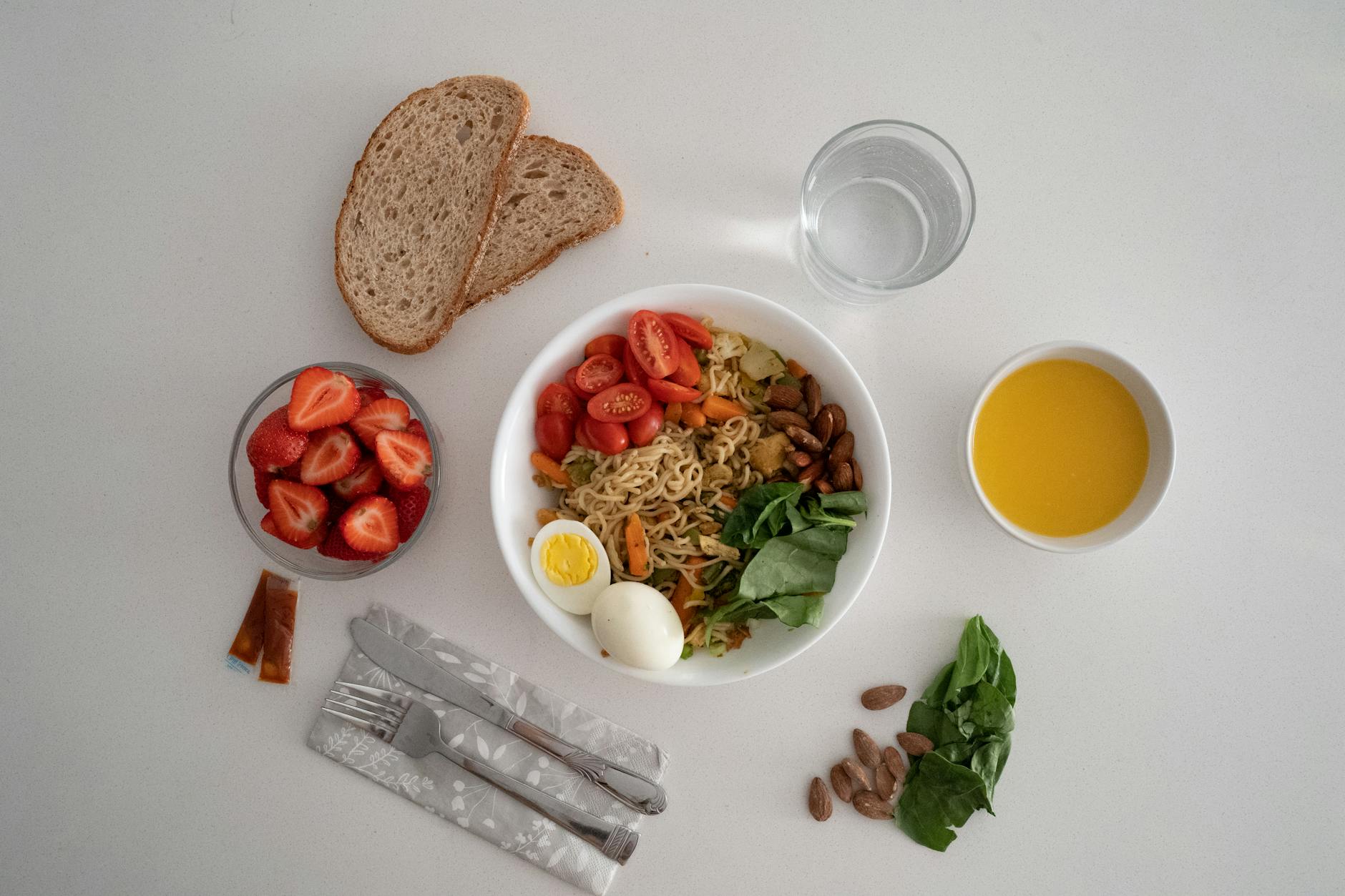
Whole grains, lean proteins, healthy fats, vegetables, and fruit give your body the building blocks it needs for muscle repair after training. Hydration keeps those processes running smoothly. Harvard Health’s exercise and fitness coverage repeatedly emphasizes that recovery nutrition centered on whole foods outperforms supplement-heavy approaches for the average active adult.
Students training in Simi Valley at Dragon Mu Sool often report that once they start showing up to class three or four times a week, their eating habits naturally improve. When your body is doing something meaningful and physically demanding, you start fueling it with more intention. That cycle of discipline on the mat carrying over into daily choices is one of the most underrated benefits of martial arts training.
For anyone curious about how the fitness martial arts Simi Valley training approach lines up with their nutrition goals, Dragon Mu Sool welcomes questions before and after class. Master Nathan and the instructors talk regularly about the connection between what you eat, how you recover, and how you perform.
How Kuk Sool Training Builds Real Functional Strength
Kuk Sool is a comprehensive Korean martial art that trains the whole body. Strikes, joint manipulation, throws, kicks, and weapons work together demand strength, flexibility, balance, and coordination at the same time. That kind of functional, multi-plane strength is very different from isolated muscle hypertrophy from weight machines, and it does not require any specific supplement stack to develop.
A regular martial arts class schedule at Dragon Mu Sool incorporates warm-ups, stretching, technique drilling, partner work, and conditioning. Over weeks and months, students notice genuine changes in their bodies: stronger grips, more stable cores, leaner muscle tone, and better posture. None of that comes from a supplement. It comes from showing up and doing the work.
The American College of Sports Medicine consistently finds that varied, skill-based movement training produces broad physical adaptations that single-modality training misses. Martial arts fits that description perfectly. The unpredictable nature of partner drills and sparring challenges your neuromuscular system in ways that a linear bench-press program never will.
For families in Simi Valley exploring fitness martial arts services Simi Valley reviews and trying to decide between a gym membership and a martial arts school, the functional strength argument is a meaningful one. You are not just building muscle. You are building a skill set that pays off in every physical situation life puts you in.
The Role of Sleep and Recovery in Muscle Growth
No supplement in existence outperforms sleep when it comes to muscle recovery. Growth hormone, the primary driver of muscle repair and rebuilding, is released in its largest pulse during deep sleep. Shortchanging sleep to squeeze in an extra session or staying up doom-scrolling will do more damage to your muscle-building goals than skipping a protein shake ever could.
Recovery from martial arts training also involves active rest: gentle movement, stretching, and hydration on off days. Dragon Mu Sool students are taught to treat recovery as part of training, not a break from it. That mindset, which is rooted in the Korean martial arts philosophy of respecting the body’s natural rhythms, produces athletes who stay healthy and progress consistently over years rather than burning out in months.
Sleep, stress management, and recovery nutrition do not sell well because they are free. That is exactly why the supplement industry spends so much money convincing you that their products are the missing piece. For most people training in Simi Valley, the missing piece is an earlier bedtime and a glass of water, not another product.
When Supplements Might Actually Help
Fairness matters here. There are situations where specific supplements are genuinely useful and even recommended by doctors. Vitamin D deficiency is common, especially in people who spend most of their time indoors. Iron deficiency affects many women who train regularly. Omega-3 fatty acids have solid evidence behind them for inflammation reduction. These are not muscle-building supplements in the marketing sense, but they are nutrients some people legitimately need.
The key difference is starting with a blood panel and a conversation with a registered dietitian or physician, not starting with a social media ad. If a real deficiency shows up, targeted supplementation under professional guidance makes complete sense. But buying a supplement because the label says it will make you bigger, leaner, or stronger, without any clinical reason to think you need it, is mostly a way to spend money you do not need to spend.
For Simi Valley martial arts students at Dragon Mu Sool, the guidance is consistent: train hard, eat real food, sleep enough, and let the results come naturally. If a student has specific health concerns, Master Nathan encourages them to work with a qualified healthcare provider, because the school’s job is to develop the whole person, not to sell them on a shortcut.
Ready to experience what real, supplement-free strength development feels like? Dragon Mu Sool invites you to check out Fitness martial arts services Simi Valley prices and contact us today for a free trial class. Come train with a community in Simi Valley that believes your body is capable of more than any label can promise.
Frequently Asked Questions
Can you build muscle with martial arts training alone?
Yes, absolutely. Martial arts training builds functional muscle through bodyweight resistance, partner drills, striking, and throws. Students who train consistently in Kuk Sool develop real strength, endurance, and muscle tone without ever setting foot in a weight room. The key is consistency and proper recovery nutrition from whole foods.
Is protein powder safe for kids who train in martial arts?
Most pediatric health organizations recommend against protein supplements for children and teenagers. Kids who train in martial arts get sufficient protein through a balanced diet with eggs, dairy, lean meats, and legumes. Parents in Simi Valley should consult a pediatrician before giving any supplement to a child, regardless of the training level involved.
How much protein do I need to build muscle without supplements?
Most active adults aiming to build muscle need between 0.7 and 1 gram of protein per pound of bodyweight per day. For a 150-pound person, that is roughly 105 to 150 grams of protein. That amount is achievable through whole foods like chicken, fish, eggs, Greek yogurt, beans, and lentils without any powders or shakes required.
Do martial arts classes count as strength training?
Yes. Kuk Sool classes involve holds, throws, strikes, kicks, and weapon techniques that challenge multiple muscle groups simultaneously. The explosive movements and partner resistance in class stimulate the same muscle-building adaptations as traditional strength training. Many Simi Valley students find that martial arts produces more well-rounded physical results than a standard gym routine.
What should I eat before and after a martial arts class?
Before class, a light meal with carbohydrates and a moderate amount of protein eaten one to two hours prior works well. After class, a protein-rich meal or snack within about an hour supports muscle recovery. Whole foods like rice and chicken, eggs on toast, or a smoothie with yogurt and fruit are practical options that require no supplements at all.