What Are Joint Mobility Exercises and Why Do They Matter?
Heel Lifts: A Simple Start for Lower Body Mobility
Hip Circles: Full Body Joint Mobility for Martial Artists
Lying Spine Twist: Improve Spinal Flexibility and Rotation
Shoulder Rotation: Unlock Your Upper Body Range of Motion
Neck Half Circles: Gentle Cervical Mobility for Martial Arts Training
Which Practice Improves Flexibility and Joint Mobility Best?
If your joints feel stiff, achy, or just slow to warm up, you are not alone. A lot of people in Simi Valley show up to their first martial arts class with tight hips, locked-up shoulders, and a spine that hasn’t been asked to rotate in years. At Dragon Mu Sool, we see this all the time, and the good news is that a simple, consistent joint mobility routine can change things faster than most people expect. Whether you are brand new to movement or you have trained for years, the five exercises below will help you move better, feel better, and get more out of every class. And if you are searching for a Boxing gym Simi Valley that actually invests time in how your body moves, keep reading.
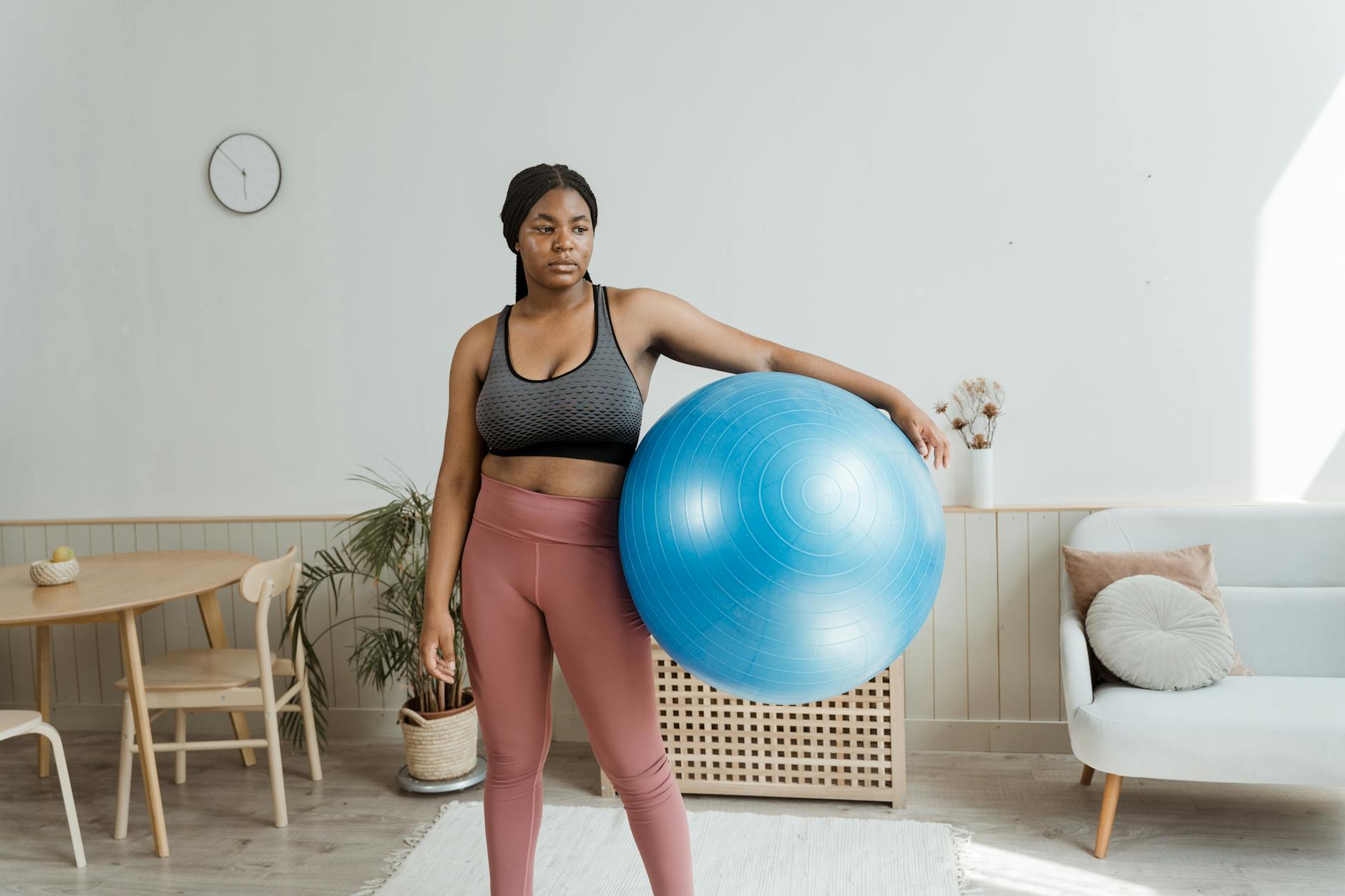
What Are Joint Mobility Exercises and Why Do They Matter?
Joint mobility exercises are controlled movements that take your joints through their full, natural range of motion. They are different from static stretching, where you hold a position. Instead, mobility work is active, meaning your muscles are working as you move. This type of dynamic joint mobility training warms up the connective tissue, lubricates the joint surfaces, and signals your nervous system that it is safe to move freely.
For martial arts students in Simi Valley, this matters a lot. Kuk Sool, the Korean martial art taught at Dragon Mu Sool, involves throws, joint locks, strikes, and fluid footwork. All of those techniques depend on joints that can move without restriction. Tight, immobile joints do not just slow you down; they also increase your risk of injury. Mayo Clinic fitness guidelines consistently point to regular mobility and flexibility work as one of the most important habits for long-term physical health, regardless of age or fitness level.
A good joint mobility warm-up before class takes about five to ten minutes. Done consistently, it pays off enormously in how smoothly your techniques flow and how recovered you feel the next morning.
Heel Lifts: A Simple Start for Lower Body Mobility
Heel lifts are one of the most underrated mobility exercises for beginners. Stand with your feet hip-width apart and slowly rise up onto the balls of your feet, then lower back down with control. That’s the basic movement. To add a mobility component, pause at the top, spread your toes, and notice how your ankle and calf engage together.
This exercise targets the ankle joint, which is often ignored until an injury forces your attention there. In Simi Valley’s Kuk Sool classes, your stance work and footwork demand stable, mobile ankles. Heel lifts also strengthen the small stabilizing muscles around the foot, which matters whether you are doing a front kick or simply walking on uneven ground. Aim for two to three sets of ten repetitions as part of your joint mobility warm-up. For seniors especially, this is a gentle way to begin building lower body joint function without stress on the knees.
ACE Fitness notes that ankle mobility is often the limiting factor in lower body movements like squats and lunges, which makes heel lifts a smart addition to any full body joint mobility routine.
Hip Circles: Full Body Joint Mobility for Martial Artists
Hip circles are exactly what they sound like. Stand tall, place your hands on your hips, and slowly rotate your hips in a large circle, first clockwise, then counterclockwise. Keep your upper body as still as possible so the movement really comes from the hip joint itself.
This is one of the best full body joint mobility exercises for anyone training in Korean martial arts. The hip is a ball-and-socket joint, which means it is designed to move in multiple directions. When those directions get neglected, everything above and below the hip compensates, and that compensation usually shows up as lower back pain or knee discomfort. Hip circles keep the joint lubricated and the surrounding muscles responsive.
At Dragon Mu Sool in Simi Valley, hip mobility directly affects kicking technique, throwing mechanics, and your ability to drop into low stances. Try ten slow, deliberate circles in each direction before every class. This is a staple mobilization exercise in warm-up routines used by martial artists at every skill level. You can check out THE BEST 10 MARTIAL ARTS in SIMI VALLEY, CA to see how local schools approach this kind of foundational training.
Lying Spine Twist: Improve Spinal Flexibility and Rotation
The lying spine twist is a gentle but powerful mobility exercise that targets the thoracic and lumbar spine. Lie on your back with your knees bent and your feet flat on the floor. Slowly let both knees drop to one side while keeping your shoulders flat on the ground. Hold for a breath or two, then bring the knees back to center and drop them to the other side.
Spinal rotation flexibility is critical in martial arts. Every punch, block, and throw involves your spine rotating to generate or redirect force. When the spine is stiff, technique suffers and the risk of muscle strains climbs. The lying spine twist is one of the most effective dynamic joint mobility exercises for opening up that rotational range in a safe, controlled way.
According to research highlighted by Harvard Health’s exercise and fitness resources, regular spinal mobility work helps reduce chronic lower back tension and supports better posture over time. For Simi Valley students who sit at desks during the day and then come to class in the evening, this exercise is especially valuable. Make it part of your pre-class routine and you will notice the difference in how freely your body moves within just a few weeks. You can also find guidance on martial arts programs at Dragon Mu Sool that build this kind of mobility work into every session.
Shoulder Rotation: Unlock Your Upper Body Range of Motion
Shoulder rotation exercises come in several forms. One of the simplest is arm circles: extend your arms out to the sides and make slow, controlled circles, starting small and gradually getting larger. Another variation is shoulder CARs (Controlled Articular Rotations), where you move one shoulder through its fullest possible range while keeping the rest of your body still.
The shoulder is the most mobile joint in the human body, and that mobility is both its strength and its vulnerability. Tight shoulders limit the power and accuracy of strikes, reduce your ability to grapple effectively, and put unnecessary stress on the elbow and wrist. Shoulder rotation as a joint mobility exercise keeps the rotator cuff healthy and maintains the full range of motion that Kuk Sool techniques require.
For Beginner fitness martial arts services simi valley, shoulder rotation is one of the first mobility exercises we introduce because the benefits show up quickly. Even two minutes of shoulder circles before training can noticeably improve how your arms move through techniques. The National Academy of Sports Medicine recommends incorporating shoulder mobility work into warm-up routines for athletes in any contact or striking sport, and Kuk Sool students at every level benefit from it.
Neck Half Circles: Gentle Cervical Mobility for Martial Arts Training
Neck half circles are a careful, controlled way to maintain mobility in the cervical spine. From a neutral, upright position, slowly drop your chin toward your chest, then arc it to one shoulder, back to center, and over to the other shoulder. Avoid tilting the head backward during this movement, as full neck circles can compress the vertebrae at the back of the cervical spine.
Neck mobility might not be the first thing on your list when you think about joint flexibility exercises, but it matters more than people realize in a martial arts context. Awareness of your surroundings, reaction time, and even your balance are all influenced by how freely your neck moves. Stiff neck muscles also contribute to headaches and shoulder tension, which nobody wants going into a training session.
Neck half circles work well as both a joint mobility warm-up and a cool-down movement. Keep the pace slow and deliberate, do five to six repetitions per side, and focus on smooth movement rather than range. This is one of the gentler joint mobility exercises for seniors as well, offering cervical spine care without any risk of strain. Check the class schedule at Dragon Mu Sool to find a session time that lets you arrive a few minutes early to work through this full routine before training begins.
Which Practice Improves Flexibility and Joint Mobility Best?
People often ask: what is the best exercise to improve joint flexibility? The honest answer is that no single exercise wins on its own. A combination of dynamic joint mobility exercises performed before activity and static stretching performed after is the approach most consistently supported by fitness research. Before class, move the joints through their range. After class, hold gentle stretches to encourage longer-term flexibility gains.
Which practice improves flexibility and joint mobility the most over time? Consistent martial arts training. Kuk Sool students in Simi Valley work on joint mobility as part of every warm-up, practice techniques that require and develop range of motion, and build body awareness that transfers into everyday movement. The discipline and structure of the training environment also means students actually show up and do the work consistently, which is the real answer to the flexibility question.
The IDEA Health and Fitness Association emphasizes that structured group training environments significantly improve adherence to mobility and flexibility routines compared to solo home practice. That is one reason why joining a class at a school like Dragon Mu Sool in Simi Valley produces results that a PDF workout plan rarely delivers on its own. You can also explore the Sky Martial Arts schedule to find the right program fit for your goals. For families, family martial arts programs at Dragon Mu Sool offer a structured way to work on mobility and fitness together.
Joint mobility work is not complicated, but it does require consistency. The five exercises covered here, heel lifts, hip circles, lying spine twists, shoulder rotation, and neck half circles, cover the key joints that matter most for everyday movement and martial arts performance. Do them before every training session and you will feel the difference within weeks. If you are ready to put this into practice in a real training environment surrounded by supportive instructors and a genuine community, Dragon Mu Sool in Simi Valley is the place to start. As a recognized American Martial Arts Academy Simi Valley with a welcoming atmosphere for all ages, we make it easy to get started. Contact us today for a free trial class and come experience what joint mobility training inside a Kuk Sool curriculum actually feels like.