You can train harder without injury by combining smart warm-up habits, progressive skill-building, and consistent recovery practices. In Korean martial arts like Kuk Sool, intensity and longevity go hand in hand. The nine strategies below cover everything from mobility work and partner etiquette to rest protocols, giving you a clear roadmap for pushing your limits while keeping your body intact.
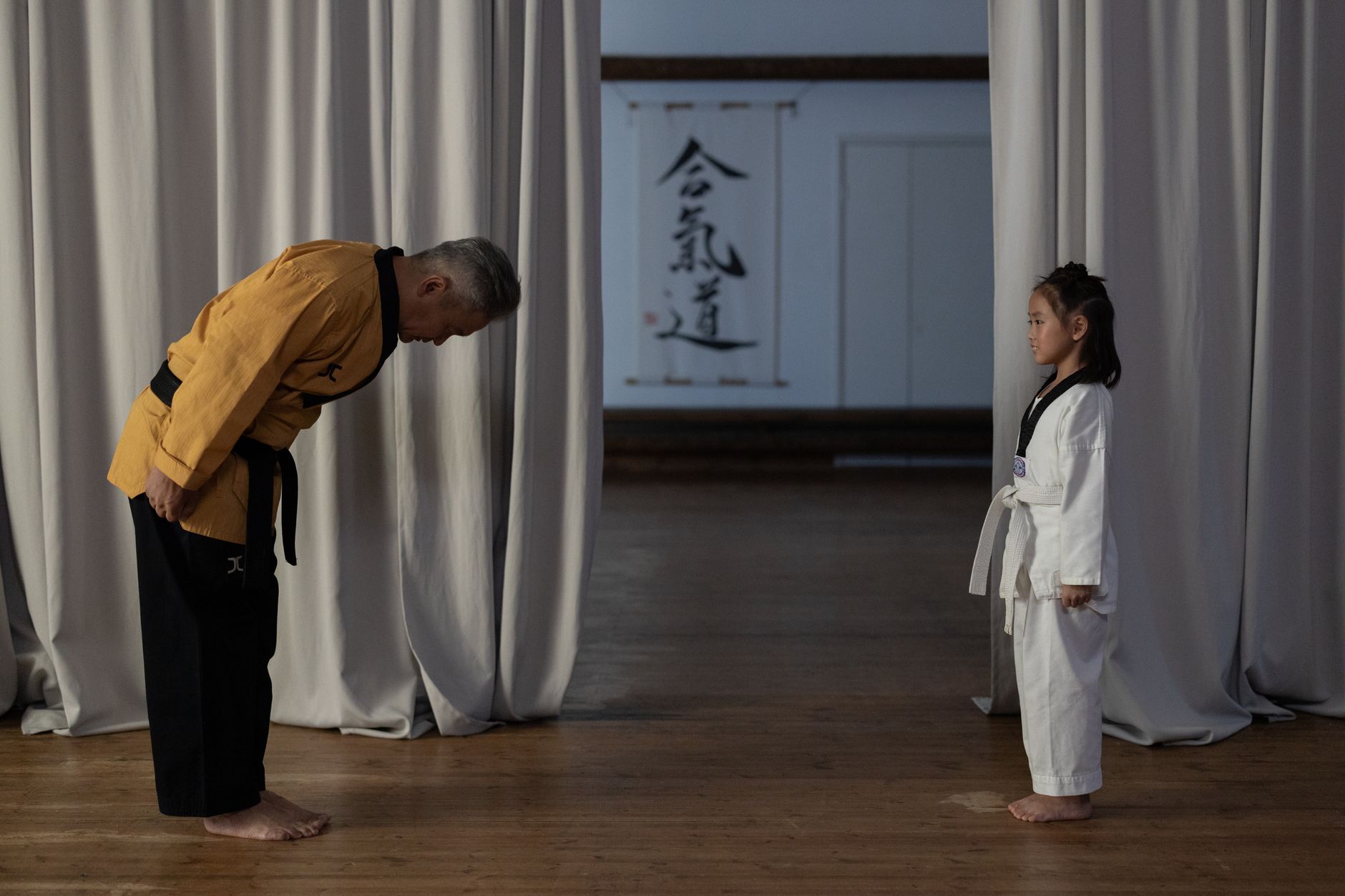
1. Warm Up with Purpose Before Every Martial Arts Training Session
A proper warm-up is the single most effective injury prevention tool you have, and it costs nothing but five to ten minutes of your time. Before any martial arts training session, your goal is to raise your core temperature, wake up the joints you are about to use, and prime your nervous system for sharp, coordinated movement.
At Dragon Mu Sool, every class opens with structured warm-ups because Master Nathan knows that cold muscles and stiff joints are where most avoidable injuries start. A good pre-training routine for Kuk Sool students typically includes:
- Light jogging or skipping to elevate heart rate
- Dynamic leg swings and hip circles for joint mobility
- Shoulder rotations and wrist prep before joint-lock practice
- Low-intensity striking drills to groove the movement patterns you will use at full speed
Static stretching has its place, but save it for after class. Pre-class movement should be dynamic, not held. ACE Fitness recommends dynamic warm-up protocols specifically because they prepare muscles for the range of motion and speed demands of athletic activity far better than prolonged static holds.
2. Build Intensity Gradually to Avoid Gym and Dojo Injuries
One of the most common ways martial arts students get hurt is by jumping to full intensity before their body is ready. Avoiding gym and dojo injuries means respecting the principle of progressive overload: add challenge in small, manageable steps rather than leaping straight to advanced techniques or maximum sparring intensity.
In Kuk Sool, this plays out across both physical conditioning and technical skill. You do not practice a fast, powerful joint lock at full speed on day one. You drill it slowly, build the muscle memory, and let intensity follow competence. The same logic applies to strength and conditioning work alongside your martial arts training. NASM guidelines on progressive resistance training consistently show that graduated increases in load and complexity reduce overuse injury rates significantly compared to rapid escalation.
A practical rule: if you cannot perform a technique cleanly at 70 percent effort, you are not ready to crank it to 100 percent. Slow down, refine the movement, and intensity will build naturally over weeks rather than days.
3. Prioritize Proper Technique as Your Core Injury Prevention Strategy
Poor mechanics are the root cause of most chronic injuries in any physical discipline, and Korean martial arts are no exception. Proper technique is not just about looking good; it is your primary injury prevention strategy. When a throw, kick, or joint manipulation is executed with correct alignment and timing, the forces involved are distributed safely. When form breaks down under fatigue or overconfidence, something gives way.
This is why Dragon Mu Sool puts so much emphasis on drilling basics even for advanced students. Black Belt Magazine has noted repeatedly that elite martial artists return to fundamental movements throughout their careers precisely because sound technique protects them as much as it makes them effective.
Specific technique checkpoints that prevent injury in Kuk Sool training include:
- Keeping the spine neutral during throwing and takedown drills
- Using hip rotation to generate striking power rather than forcing it from the shoulder
- Tapping early and clearly when caught in a joint lock during partner practice
- Landing softly from falls with proper ukemi (breakfall) technique
If you are not sure whether your mechanics are sound, ask your instructor. Catching a technique flaw early is far less painful than discovering it through a strained ligament six months later.

4. Learn to Tap and Communicate: Partner Safety in Martial Arts Sparring
Sparring and partner drilling are where martial arts training really comes alive, and they are also where injuries spike when communication breaks down. Learning to tap early and speak up about your limits is not weakness; it is the discipline that keeps both you and your training partner on the mat long-term.
At Dragon Mu Sool, the culture that Master Nathan has built around mutual respect makes this easier than it might sound. When everyone in the room treats their partner’s safety as their own responsibility, the dojo becomes a place where you can push hard without fear of reckless behavior. That family-oriented atmosphere the school is known for is not just a nice feeling; it is a genuine safety mechanism.
Practical communication habits during partner work:
- Tap clearly and immediately when a lock or choke reaches your limit
- Verbally tell a new partner your current injury status before drilling begins
- Use consistent verbal cues during high-intensity rounds so both people stay calibrated
- Check in with your partner after falls or hard contact, not just at the end of the round
Safe sparring is also smart sparring. Students who train with controlled intensity consistently accumulate more mat hours and develop faster than those who go hard at all costs and spend weeks recovering from preventable injuries.
5. Use the RICE Method to Treat Minor Injuries Before They Become Major
Even when you do everything right, bumps and strains happen in martial arts training. Knowing how to treat a minor injury quickly is the difference between a two-day setback and a two-month one. The RICE formula (Rest, Ice, Compression, Elevation) remains a widely used first-response approach for soft tissue injuries like sprains and bruising.
Here is how the RICE method applies to common Kuk Sool training injuries:
- Rest: Stop using the injured area immediately. Training through sharp or acute pain almost always makes the damage worse.
- Ice: Apply ice wrapped in a cloth for 15 to 20 minutes within the first 48 hours to reduce swelling. Direct skin contact causes frostbite, so always use a barrier.
- Compression: Wrap the area with an elastic bandage to limit swelling without cutting off circulation.
- Elevation: Keep the injured limb above heart level when resting to help fluid drain away from the site.
For anything beyond minor strains (sharp pain, significant swelling, loss of function, or joint instability), see a healthcare professional before returning to class. Mayo Clinic’s fitness guidance is clear that pushing through acute injuries accelerates long-term tissue damage and can turn a recoverable strain into a chronic problem.
6. Strengthen Supporting Muscles to Injury-Proof Your Body for Martial Arts
The techniques in Kuk Sool demand a lot from specific muscles and joints, but the muscles that support those primary movers are often undertrained. Strengthening the smaller, stabilizing muscle groups around your knees, hips, shoulders, and core is one of the most effective ways to injury-proof your body for martial arts training and reduce your risk of overuse injuries over time.
A few targeted areas that pay big dividends for Kuk Sool students include:
- Rotator cuff and shoulder stability: Kuk Sool joint locks put significant stress on the shoulder girdle. Resistance band exercises targeting the external rotators protect this area.
- Hip flexors and glutes: Kicking technique and low stances both rely on hip mobility and strength. Weak glutes force the knees and lower back to compensate, which leads to injury over time.
- Core stability: A stable core protects your spine during throws, ground work, and striking. Planks, dead bugs, and Pallof presses build functional core strength without loading the spine excessively.
- Ankle and knee stability: Single-leg balance drills and resistance band work around the ankle reduce the risk of sprains during fast directional changes.
You do not need to spend hours in the weight room. Two or three focused sessions per week of 20 to 30 minutes targeting these areas is enough to make a noticeable difference in how your body holds up under the demands of Korean martial arts training.
If you want a more structured approach to conditioning that complements your dojo work, explore martial arts training in Simi Valley to see how Dragon Mu Sool integrates physical development into its curriculum.
7. Schedule Rest and Recovery as Part of Your Martial Arts Training Plan
Rest is not the absence of training; it is a scheduled component of any serious martial arts training plan. Overtraining syndrome, a real and well-documented condition, produces symptoms like chronic fatigue, declining performance, irritability, and elevated injury risk. The ACSM outlines recovery as essential to adaptation in their exercise guidelines, and the same logic applies directly to Korean martial arts practice.
Practical recovery habits that keep you training consistently:
- Sleep: Seven to nine hours per night is where most of your tissue repair and motor learning consolidation actually happens. Shortchanging sleep shortchanges your progress.
- Active recovery days: Light movement like walking, gentle stretching, or easy swimming on off days keeps blood flowing to sore muscles without adding training load.
- Hydration and nutrition: Muscles repair with protein and rebuild with adequate calories. Showing up dehydrated or underfed is one of the quickest routes to a soft tissue injury.
- Periodization: Plan harder training blocks and then dial intensity back for a week every four to six weeks. Your body catches up, adapts, and comes back stronger.
Students at Dragon Mu Sool who train consistently over years, not just months, are the ones who have learned this lesson. The instructors actively coach recovery habits alongside technique because longevity on the mat is the goal, not just performance in any single class.
8. Use Mobility Work to Prevent Injury During Strength Movements and Kicks
Mobility is the ability to move a joint through its full range of motion under control, and it is one of the most overlooked elements of injury prevention for strength movements and kicking techniques in martial arts. Tight hips force the lower back to compensate during throws and high kicks. Restricted thoracic spine mobility puts the shoulders at risk during grappling. Limited ankle dorsiflexion changes how load is distributed during stances and transitions.
Adding even ten minutes of dedicated mobility work after each class produces real results over months of consistent practice. Focus on:
- Hip flexor stretches and pigeon pose variations for kicking range and stance depth
- Thoracic rotation exercises for upper body fluidity in throwing techniques
- Wrist and forearm mobility work, especially relevant for Kuk Sool’s joint-lock curriculum
- Calf and ankle mobility drills to support low stance work and quick footwork
Mobility work also accelerates technical improvement. When your joints move freely, techniques feel less like forcing your body into positions and more like the movement flowing naturally. That mechanical efficiency reduces wear on connective tissue and lets you train harder without accumulating the micro-damage that leads to overuse injuries.
For more on how Korean martial arts training builds this kind of physical foundation alongside technical skill, check out the details on Kuk Sool Won martial arts classes at Dragon Mu Sool.
9. Train Consistently Over Time: The Long Game in Korean Martial Arts
The ninth and perhaps most important way to train harder without injury is to commit to consistency over intensity. In Korean martial arts, and in Kuk Sool specifically, skill, strength, and resilience are built over years of regular practice, not crammed into a few intense weeks. The students who avoid serious injuries are usually the ones who show up regularly, progress at a pace that lets their body adapt, and treat setbacks as information rather than failure.
Consistency also builds the body awareness that is your best early-warning system against injury. When you train regularly, you know how your knees feel before they become a problem, you recognize when fatigue is affecting your technique, and you understand the difference between productive soreness and a warning signal worth heeding.
The culture at Dragon Mu Sool reinforces this mindset. Master Nathan’s approach to personal development alongside physical training means students are taught to respect the process, honor their body’s feedback, and build inner strength as the foundation for outer capability. That is not just good philosophy; it is good sports science. Long-term, injury-free progression is the direct result of training smarter alongside training harder.
If you are curious about how this approach feels in practice, visit Dragon Mu Sool to learn more about the school, its instructors, and what a typical class looks like for both children and adults.
Start Your Korean Martial Arts Journey Today
Whether you are brand new to martial arts or returning after time away, Dragon Mu Sool is a welcoming place to build strength, skill, and discipline the right way. Master Nathan and the instructors here genuinely care about every student’s long-term progress, and the injury-smart training principles above are woven into every class. Take the first step and sign up for a Korean martial arts class in Simi Valley for a free trial class so you can experience the Dragon Mu Sool approach firsthand.
Frequently Asked Questions
How to train harder without injuring?
Train harder without injuring yourself by warming up dynamically before every session, building intensity gradually rather than jumping to maximum effort, and prioritizing correct technique over raw power. Schedule rest days, add mobility and stability work outside of class, and communicate clearly with training partners. Consistency over months and years produces far better results than sporadic bursts of high-intensity training.
How do I avoid injury when sparring in martial arts?
Tap early and clearly when caught in a submission or joint lock, communicate any existing injuries to your partner before drilling begins, and match your intensity to your current skill level. Choose sparring partners who respect control, especially when you are still developing. A culture of mutual respect, like the one at Dragon Mu Sool, makes safe and productive sparring much easier to maintain consistently.
Is the RICE method still recommended for martial arts injuries?
RICE (Rest, Ice, Compression, Elevation) remains a commonly used first-response approach for minor soft tissue injuries like sprains and bruising sustained during training. Apply ice within the first 48 hours, rest the affected area, and avoid returning to full training until the acute pain resolves. For anything involving significant swelling, joint instability, or sharp pain, consult a healthcare professional before stepping back on the mat.
How much rest does a martial arts student need between training sessions?
Most practitioners benefit from at least one full rest day per week and one lighter, active recovery day. Seven to nine hours of quality sleep each night is where much of the physical adaptation from training actually occurs. Periodizing your training by building intensity over four to five weeks and then pulling back for a recovery week prevents overtraining syndrome and keeps injury rates low over the long term.
What supporting muscles should I strengthen to prevent injury in Korean martial arts?
Focus on the rotator cuff and shoulder stabilizers for joint-lock safety, hip flexors and glutes for kicking power and stance work, deep core stabilizers to protect the spine during throws and ground techniques, and ankle and knee stabilizers for footwork and directional changes. Even two or three short supplemental sessions per week targeting these areas can significantly reduce your risk of chronic overuse injuries.