A 30 minute strength and conditioning workout for martial arts can build real functional power when designed around compound movements, explosive drills, and active recovery. Short sessions work because they demand intensity and focus rather than long, drawn-out effort. This post breaks down exactly how to structure that 30-minute window, which exercises to prioritize, and how training at a school like Dragon Mu Sool ties it all together.
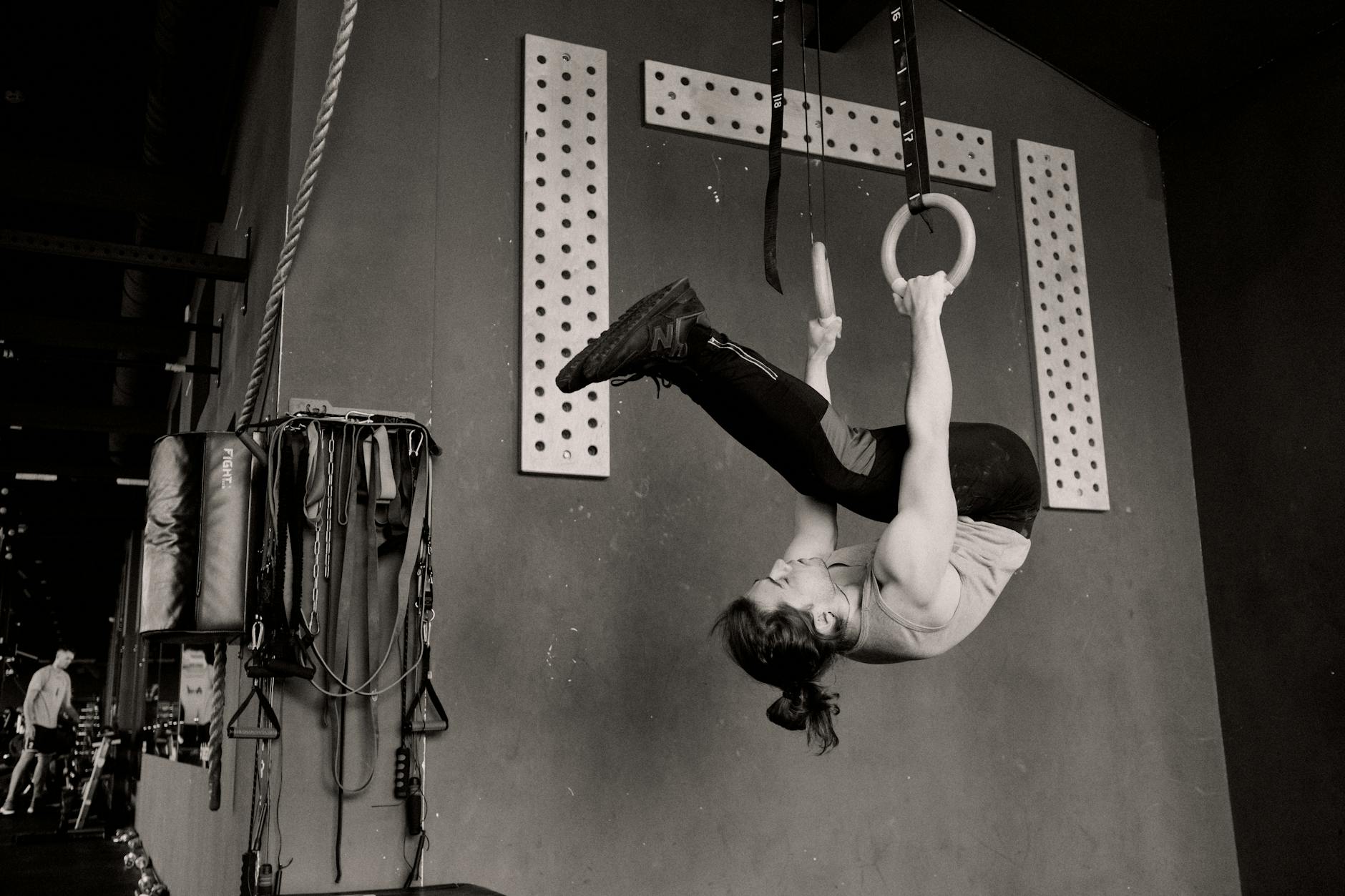
Why a 30 Minute Strength Workout Works for Martial Arts Training
A lot of people assume you need an hour or more in the gym to make meaningful progress. That simply is not true for martial artists. A well-structured 30-minute strength and conditioning session presses the body hard enough to trigger real adaptation without leaving you too fatigued to practice technique. This is sometimes called the minimum effective dose principle in fitness, and it is at the core of how high-level practitioners train.
The key is density. You are not resting for three minutes between sets. You are moving with purpose, keeping your heart rate elevated, and attacking each exercise with intent. For Korean martial arts students especially, this mirrors the pace of an actual sparring round or Kuk Sool form practice where sustained output over a short, intense window is the norm.
Research backs this up. The American College of Sports Medicine notes that adults can achieve significant cardiovascular and muscular fitness gains with as little as 20 to 30 minutes of vigorous exercise per session, provided the intensity is appropriate. For martial artists, that intensity is rarely a problem.
At Dragon Mu Sool, Master Nathan builds the same principle into every class. Physical conditioning is not separated from the discipline of training. It is woven into it. Students do not just work out. They train with a purpose that connects physical effort to personal development.
The Structure of an Effective 30 Minute Conditioning Workout for Fighters
If you want your conditioning workout for martial arts to actually carry over to the mat, the structure matters as much as the exercises themselves. A good 30-minute session breaks down into three clear phases.
- Warm-Up (5 minutes): Dynamic mobility work, joint circles, hip openers, and light shadow movement. Your warm-up should mirror the demands of what follows. Skip static stretching here. Save it for the end.
- Main Block (20 minutes): This is where the real work happens. Circuit-style strength training paired with short explosive intervals. Think two to three rounds of four to six exercises with minimal rest between movements.
- Cool-Down (5 minutes): Static stretching, controlled breathing, and a brief focus on the muscles you just loaded. This is also a good moment for the mental reset that martial arts training emphasizes.
The 20-minute main block is where you can follow a format similar to what organizations like USA Boxing outline for their athletes: compound lifts, bodyweight power drills, and core work in tight succession. You do not need a fully equipped gym. A set of dumbbells, your body weight, and floor space are enough to run this effectively.
If you are new to structured training, check out our guide on beginner strength training in Simi Valley to build a base before jumping into higher-intensity circuits.
Best Strength Training Exercises for Korean Martial Arts Athletes
Not all strength training exercises translate equally to martial arts performance. The ones that transfer best are movements that build power through full ranges of motion, train the body to generate force quickly, and reinforce the kinetic chains you actually use when striking, throwing, or controlling an opponent.
Here are the top movements to include in your strength training program for martial arts:
- Goblet Squat: Builds hip and quad strength while keeping the torso upright. Directly carries over to stances and low kicks in Kuk Sool.
- Romanian Deadlift: Targets the posterior chain, which powers your takedowns, hip throws, and explosive extensions.
- Push-Up Variations: Standard, wide, and close-grip push-ups develop pressing strength and shoulder stability without equipment.
- Single-Leg Romanian Deadlift: Builds balance, hip hinge strength, and ankle stability simultaneously. All three matter for martial artists.
- Plank and Anti-Rotation Holds: Core rigidity allows you to transfer force from your legs through your torso and into your strikes or grappling movements.
- Explosive Step-Ups or Box Jumps: Develop fast-twitch muscle fibers and the kind of reactive power that makes your movement unpredictable and quick.
- Dumbbell Row: Pulling strength is often neglected but critical for clinch work, grip-based techniques, and maintaining posture under pressure.
These same movements are highlighted in the framework we cover in our martial arts strength and conditioning plan in Simi Valley post, which goes deeper into periodization for competitors.
NASM also emphasizes that functional movement patterns like these should form the foundation of any athletic performance program before adding external load or speed.
Conditioning Drills That Carry Over to Real Martial Arts Performance
Strength is only one side of the equation. Conditioning drills are what make that strength usable under fatigue. In martial arts, you rarely get a clean, rested moment to apply a technique. You apply it after three minutes of movement, after absorbing strikes, after wrestling for position. Your conditioning has to be built for that reality.
Short, high-intensity intervals mimic this demand better than long steady-state cardio. Here are the conditioning drills worth including in your 30-minute training block:
- Burpees: A full-body conditioning drill that elevates heart rate fast and builds both push-up and hip extension power.
- Shadow Sparring Rounds: Two-minute rounds of continuous movement, striking, and footwork with no rest. This is sport-specific conditioning at its most direct.
- Mountain Climbers: A core and conditioning hybrid that taxes the shoulders, hips, and cardiovascular system simultaneously.
- Lateral Shuffle and Sprint Combinations: Build reactive lateral movement speed, which is essential for closing distance and evading attacks.
- Jump Rope: One of the most time-efficient conditioning tools for martial artists. Improves rhythm, foot speed, and aerobic capacity in a small space.
Pairing one strength movement with one conditioning drill in a superset format keeps your session inside the 30-minute window while still hitting both energy systems. You do not have to choose between strength and endurance. You train both at once.
For a look at how different training formats compare, our overview of group fitness classes at a Korean martial arts studio walks through the range of options available to students at every level.
How to Build Mental Toughness Through Short, Hard Workouts
One thing that separates martial arts conditioning from generic gym training is the mental component. A short, hard workout teaches you something beyond physical capacity. It teaches you to stay focused and controlled when your body wants to quit. That mental toughness is the exact same quality you develop on the mat when a technique is not working and you have to keep composure under pressure.
At Dragon Mu Sool, this is not an afterthought. Master Nathan and the instructors treat discipline and inner strength as core curriculum. When students push through a grueling conditioning round, they are not just getting fitter. They are learning something about themselves. That is the philosophy of Kuk Sool training: the physical and the personal are the same practice.
Short training sessions actually demand a higher level of mental engagement than longer ones. You cannot afford to coast. Every minute requires intention. This is why many elite fighters and martial artists prefer a focused 30-minute strength and conditioning workout over a loose 90-minute session. The compression forces mental presence.
Harvard Health research on exercise and mental fitness confirms that high-intensity training has notable effects on mood, stress regulation, and cognitive resilience, all qualities that show up directly in martial arts performance and character development.
Being part of a supportive martial arts community dojo like Dragon Mu Sool amplifies these benefits because you are not training alone. The environment holds you accountable and elevates your effort.
Fitting a 30 Minute Workout Routine Into Your Weekly Martial Arts Schedule
Consistency is the real variable in any fitness program. A well-designed 30-minute workout routine does nothing if it only happens once a month. The good news is that a 30-minute workout fits into almost any schedule, even for students who are attending classes two or three times a week.
Here is a simple weekly framework for martial arts students:
- Day 1: Martial arts class (technique and sparring)
- Day 2: 30-minute strength and conditioning session (bodyweight or dumbbells at home)
- Day 3: Rest or light mobility work
- Day 4: Martial arts class
- Day 5: 30-minute conditioning workout focused on explosive drills
- Day 6: Martial arts class or open mat
- Day 7: Full rest
This schedule keeps training frequency high enough for adaptation while protecting recovery. Overtraining is a real risk for people who stack too many hard sessions back to back. Your body gets stronger during rest, not during the workout itself.
For students just starting to build consistency, our post on starting a workout routine that sticks is a practical starting point that addresses the habit-building side of training, not just the programming side.
If you want to build beyond the basics, our detailed breakdown of boxing physical conditioning in Simi Valley covers how to progress your endurance and strength over time as your martial arts training advances.
Why Dragon Mu Sool Is the Right Place to Train Strength and Martial Arts Together
Finding a place that takes both the physical and the personal seriously is harder than it sounds. A lot of gyms will give you a solid strength workout. Fewer will give you a community that actually cares whether you grow as a person, not just as an athlete. Dragon Mu Sool does both.
Master Nathan has built a school where Kuk Sool training includes real physical conditioning, not just forms and technique review. Students develop strength, endurance, flexibility, and coordination inside a curriculum that also emphasizes respect, honor, and discipline. That combination is rare, and it is what makes the school stand out for both children and adults in the Simi Valley area.
The atmosphere is family-oriented without being soft. Instructors hold students to real standards while making it clear that every person in the room belongs there. If you are looking for a place where a focused 30-minute strength and conditioning workout sits inside a broader practice of personal development, this is that place.
Dragon Mu Sool is a martial arts school for character development that happens to produce physically capable, conditioned, and confident students at every level.
Ready to experience it yourself? Contact us today for a free trial class at our Korean martial arts studio in Simi Valley and see how Dragon Mu Sool can help you build real strength, conditioning, and discipline in a community that will support you every step of the way.
Frequently Asked Questions
Can a 30 minute workout build real strength for martial arts?
Yes, a 30-minute strength and conditioning workout can absolutely build functional strength for martial arts when structured around compound movements and minimal rest. The key is intensity and consistency. Short sessions that use supersets and circuit formats tax the muscular and cardiovascular systems efficiently, producing real adaptation over time without requiring hours in the gym.
What is the difference between strength training and conditioning for martial artists?
Strength training focuses on building force production capacity through resistance-based movements like squats, deadlifts, and rows. Conditioning trains your ability to sustain output over time through drills like burpees, shadow rounds, and interval sprints. Martial artists need both because technique breaks down when you are fatigued. A good 30-minute program blends strength and conditioning in the same session.
How often should a martial artist do strength and conditioning workouts?
Two to three dedicated strength and conditioning sessions per week is a reasonable target for most martial arts students. This fits alongside two to three technical classes without overloading recovery. The exact frequency depends on your experience level, sleep quality, and how intense each session is. Beginners should start with two sessions weekly and build from there over several months.
Do I need gym equipment for a martial arts strength workout?
No. Many of the most effective strength and conditioning exercises for martial artists require only body weight or a single pair of dumbbells. Movements like push-ups, goblet squats, burpees, single-leg deadlifts, and core holds can all be done at home. The quality of your movement and your effort level matter far more than the equipment available to you.
Is strength and conditioning training appropriate for kids in martial arts?
Yes, age-appropriate strength and conditioning is safe and beneficial for children in martial arts. Bodyweight movements, coordination drills, and light resistance work support healthy development when supervised by a qualified instructor. Schools like Dragon Mu Sool integrate physical training into their children’s curriculum in a structured, safe way that supports both fitness and character growth.